


 English
 中文简体
中文简体 عربى
عربى Español
 русский
Browse by Model
A Specialist in Volvo Aftermarket Parts
Focused on reliable body parts manufacturing and supply for the global aftermarket.
Explore Products
Browse Volvo Parts by Model or Category
Whether you source by vehicle model or by part category, Hualiwo helps you find the right Volvo aftermarket parts more efficiently.

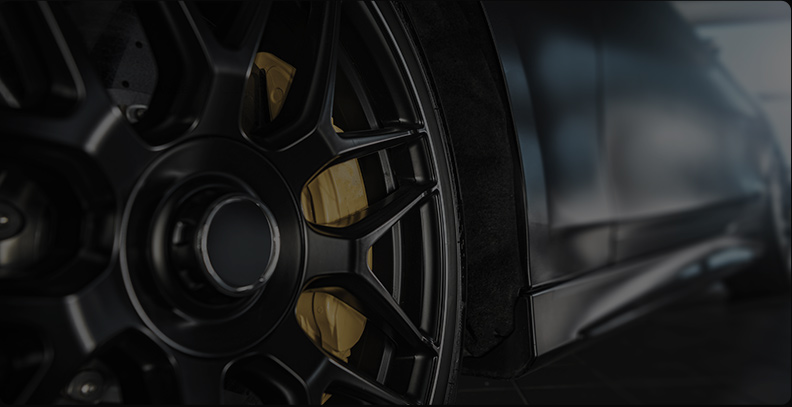
Browse by Category
RECOMMENDED PRODUCTS
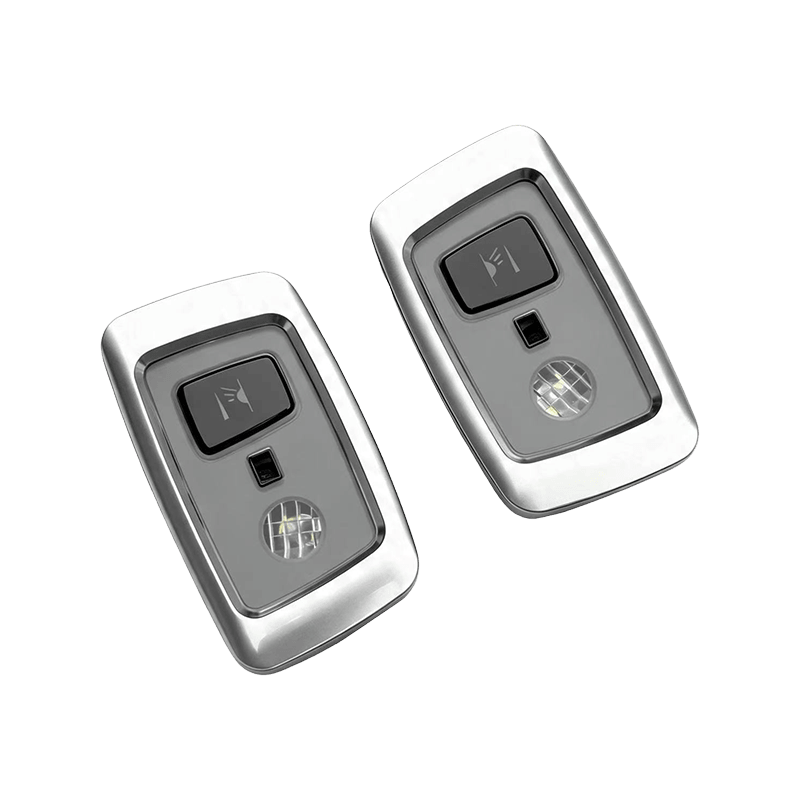

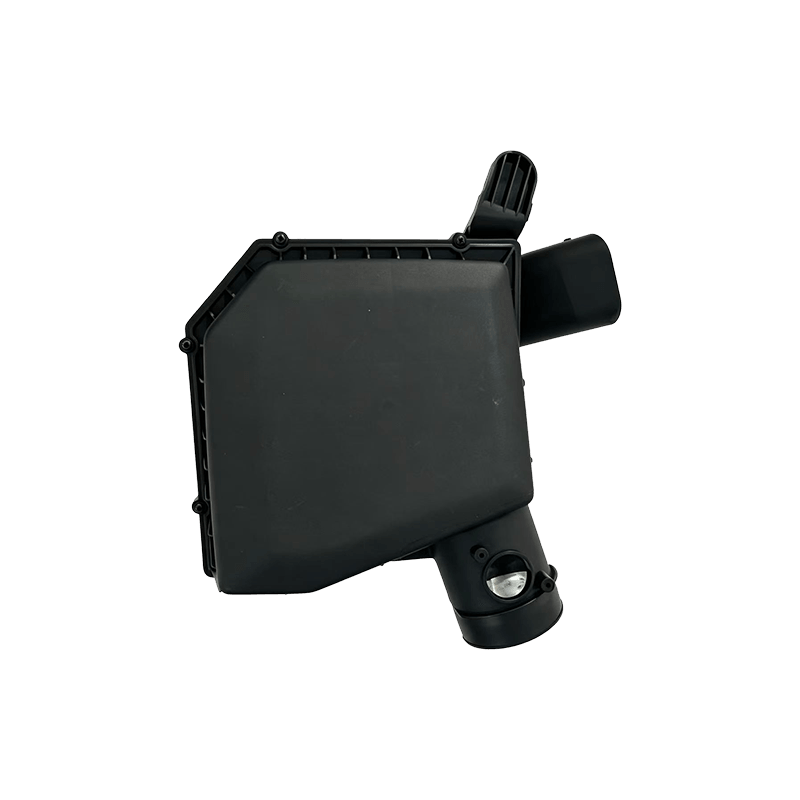
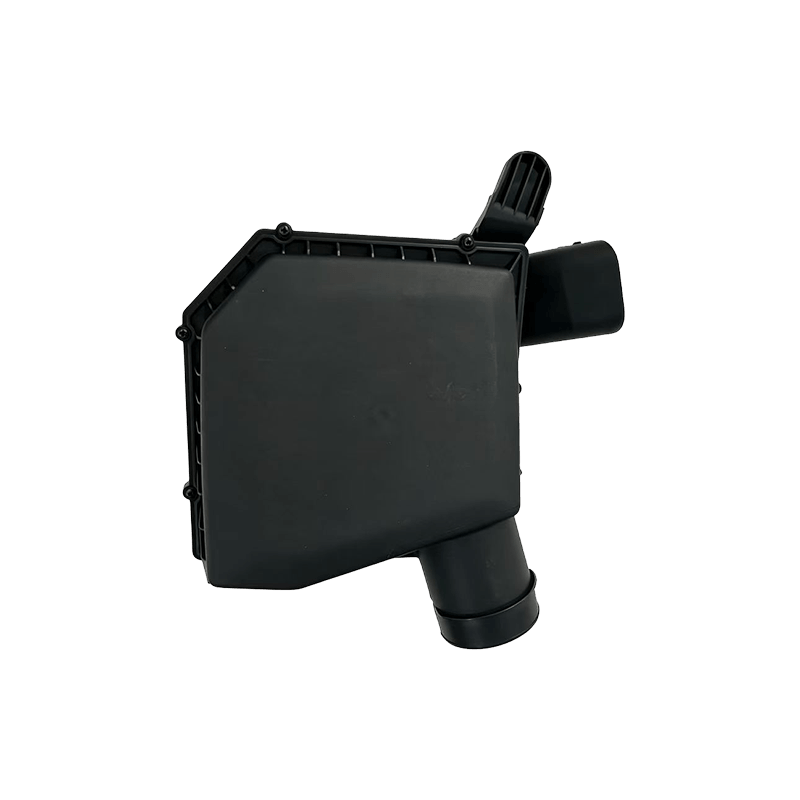
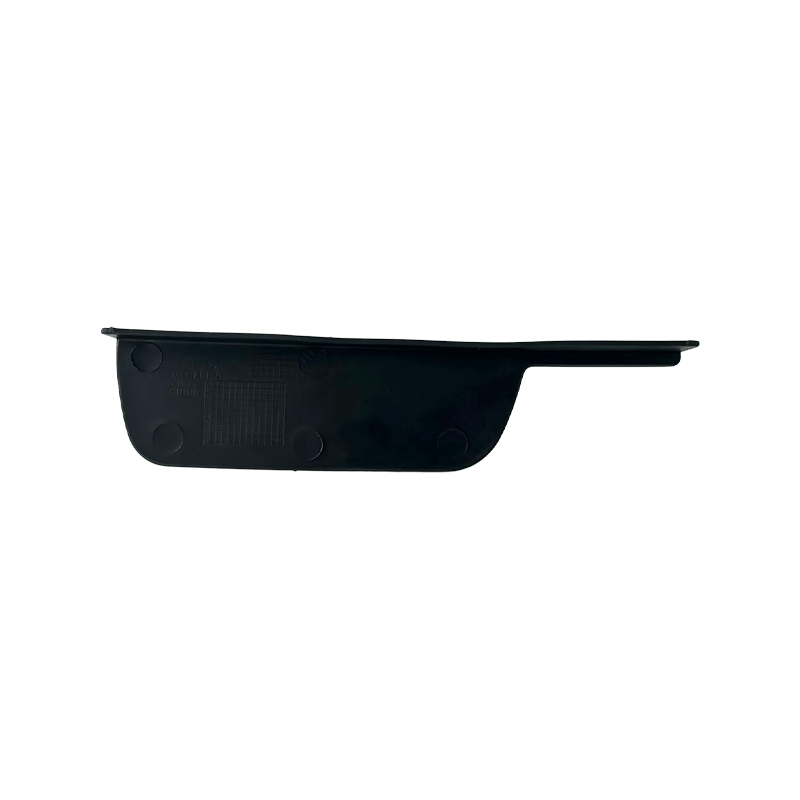
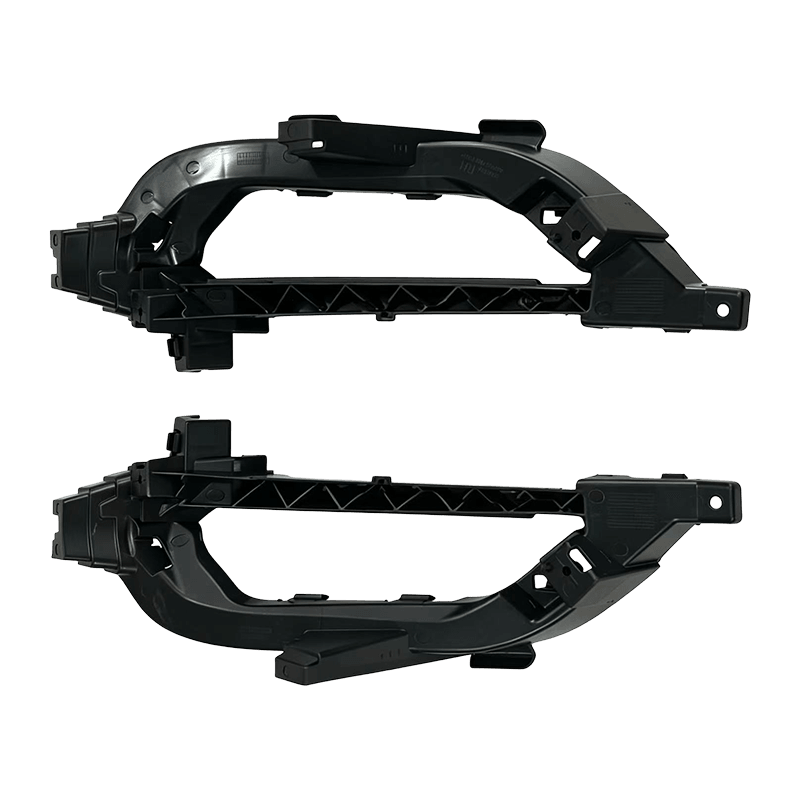
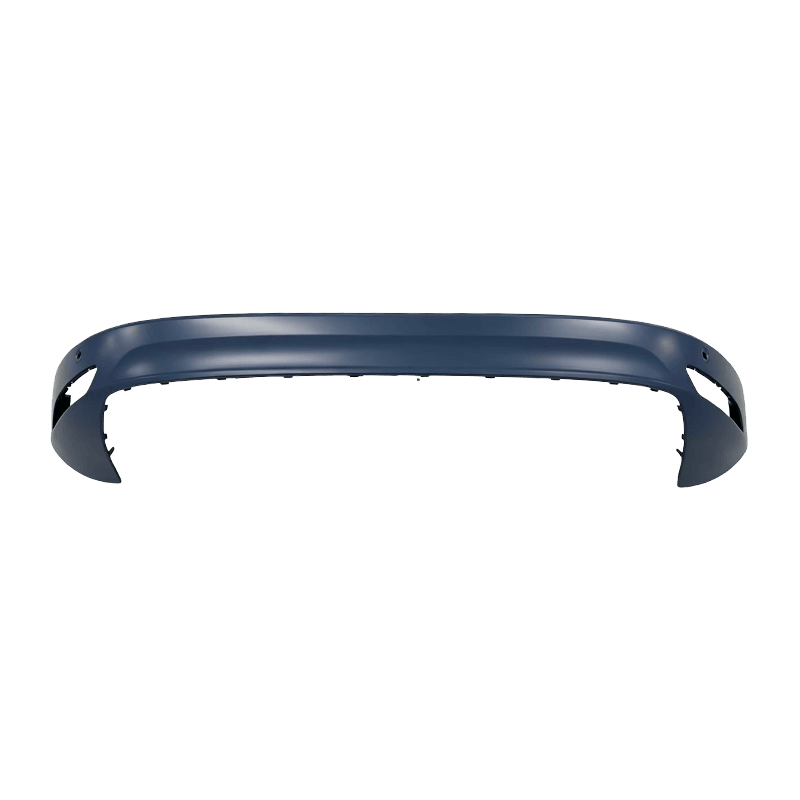
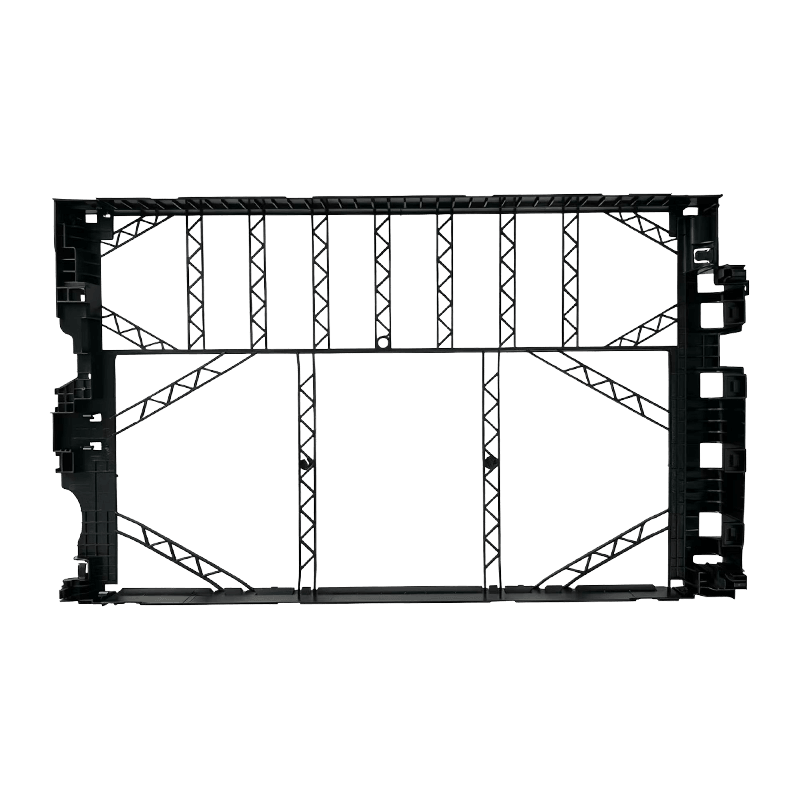
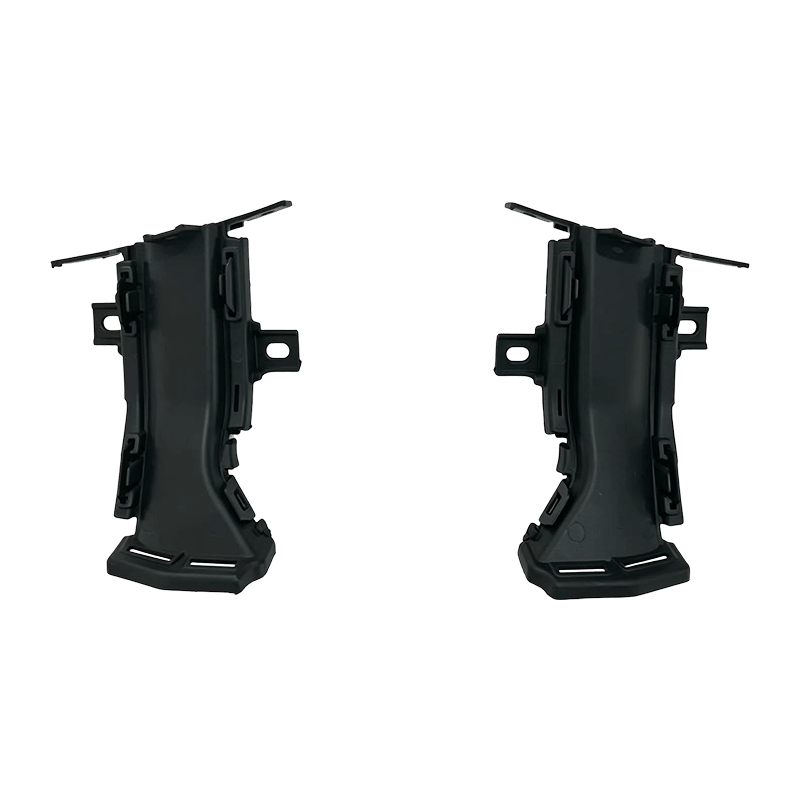
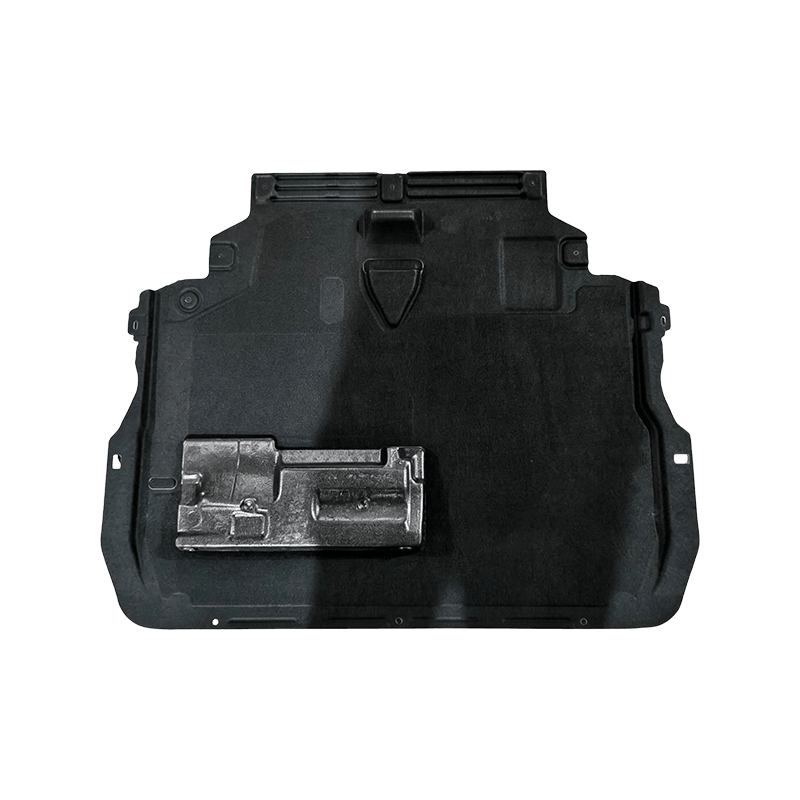
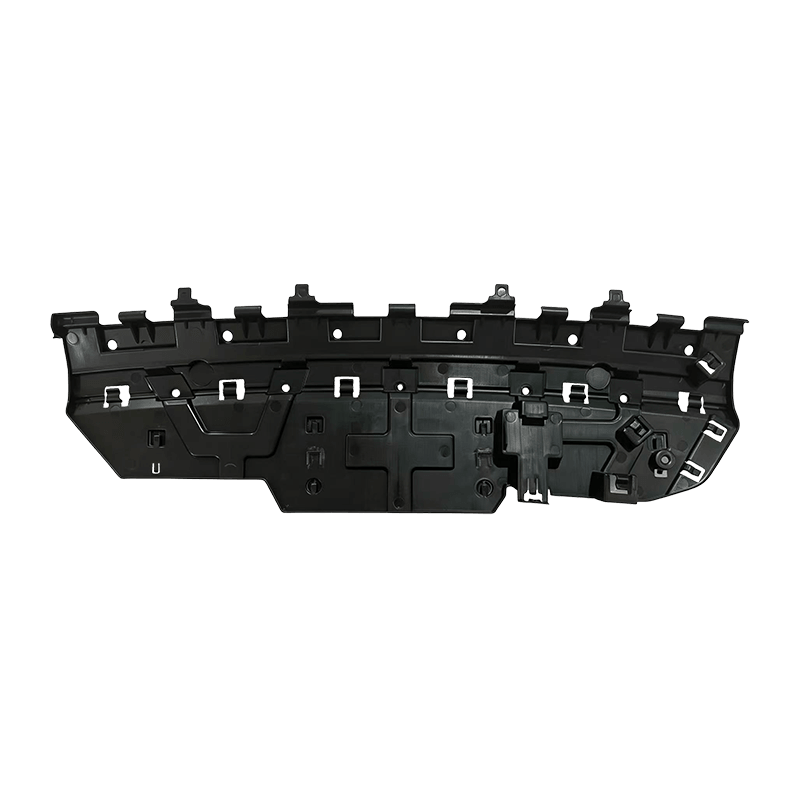
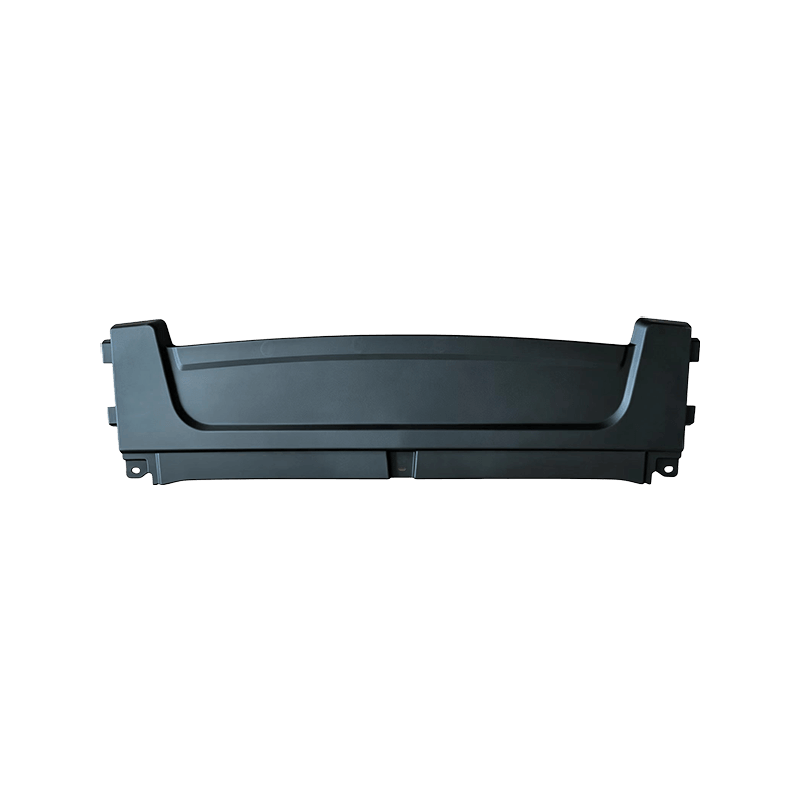
Focused on Volvo. Built for the Aftermarket.
Hualiwo is a manufacturer specializing in Volvo aftermarket body parts. Rather than covering multiple
vehicle brands broadly, we focus on Volvo models and develop our product range around real market
demand. From bumpers and grilles to brackets, trims, and related exterior parts, we provide more
targeted product support for importers, distributors, and aftermarket buyers worldwide.
-
 2014Established
 -
 2,0000 m2Factory Area
 -
 100 +Production Employees
 -
 10 +Export Countries

CUSTOMIZED
Tailored Support for Volvo Aftermarket Business
Beyond our standard product range, Hualiwo works with selected partners on tailored programs, including model-specific product range development, branded packaging support, consolidated purchasing, and project-based coordination. Our aim is to help customers build a broader and more competitive Volvo aftermarket offering in their local markets.
View Custom Solutions
WHY HUALIWO

Reliable Supply for B2B Buyers
We provide consistent supply support for importers, distributors, and high-volume buyers.

Flexible OEM & Branding Support
Selected customers can access custom packaging, private-label services, and other tailored branding options.

Model-Based Product Matching
Our products are organized by Volvo model and application, making part selection faster and more accurate.

Focused on Volvo Aftermarket Parts
We specialize in Volvo aftermarket parts, allowing us to offer a more targeted and relevant product range.
- 2026-06-17
- 2026-06-17
- 2026-06-16
GET IN TOUCH
Your email address will not be published. Fields marked with * are required.
Whether you source by vehicle model or by part category, Hualiwo helps you find the right Volvo
aftermarket parts more efficiently.
FOLLOW US
CONTACT US
Looking for a Reliable Volvo Parts Supplier?
Contact Hualiwo today for product matching, quotation support, and focused Volvo aftermarket cooperation.
Company Address
No. 295 Qingcheng Industrial Park, Chunjiang Town, Xinbei District,Changzhou City, Jiangsu Province.
Tel: +86-18861467797
E-mail: hualiwo888@163.com
QUICK LINKS
Copyright © Jiangsu Hualiwo Vehicle Parts Co.,Ltd. All Rights Reserved.
